
 USA Domestic
 Injectables
 Stacks
 Orals
Orals HGH
HGH Ampoules
 Peptides
 Pharmagrade
 Health & Wellness
 Other
OtherUncategorized
What Compounds Can You Use To Be a Fake Natty
Jan
Let’s get one thing straight.
A fake natty doesn’t mean someone looks like a freak. It means they look just attainable
enough that people argue in the comments about whether they’re “genetically gifted” or
“definitely on something.”
The secret?
They’re on something.
But it’s not a gram of test with insulin and Tren. That’s not the play here.
The fake natty look is about subtle enhancement: clean, dry, aesthetic. Not bloated. Not
red-faced. Not a veiny rage monster. Just sharp, full, lean, and consistent year-round.
What the “fake natty” aesthetic actually is
Here’s what you’re aiming for:
● Clean waistline
● Tight skin
● Full muscle bellies
● No bloat
● No acne
● No red flags
● No dramatic offseason to contest transition
● Consistent physique all year
It’s about always looking good, never looking extreme. Think:
● Fitness influencers
● Lifestyle YouTubers
● Actors doing shirtless scenes
● “Naturals” who magically stay shredded with veins and delts at 8% body fat
What compounds make this possible
You’re not chasing mass. You’re chasing polish.
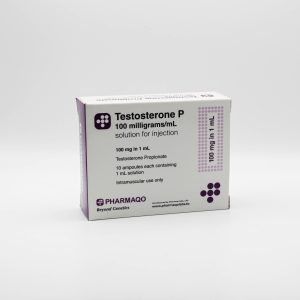
Testosterone (low to moderate dose)
Test is still the base. But low to moderate doses, just enough to keep free T high and
recovery clean. Most fake natties don’t need to go over 200–300 mg/week, and often stay
around TRT+ range.
The trick? Keep it consistent. Long esters, stable levels, low aromatization.
DHT-based compounds (dry, cosmetic, subtle)
● Primobolan: adds muscle density and fullness without water
● Masteron: sharpens the physique, controls estrogen, makes you look tighter
● Anavar: boosts strength, adds lean tissue, and hardens without size spikes
These are the kings of looking dry and “natural,” especially at the beach, on camera, or under
lights.
Growth Hormone (low dose)
GH improves skin, fullness, fat distribution, and recovery. Low-dose GH (2–3 IU/day) helps
you stay lean and fresh-looking without looking enhanced.
Adds to that “always on” look without size jumps. Think maintenance GH, not high-dose
bulking GH.
Peptides (GH secretagogues or recovery aids)
Stuff like
● BPC-157 + TB-500 (injury recovery)
● Ipamorelin + CJC-1295 (mild GH boost)
These are subtle additions that help recovery and longevity, not size.
Perfect for looking good on minimal gear, especially if you train hard.
Mild oral additions (on occasion)
Some fake natties use short bursts of Anavar or Turinabol pre-beach or photoshoots. 3–4
weeks, low dose, then off again.
It gives a bump in fullness without wrecking liver values or water retention, especially if diet
is already clean.
What fake natties AVOID (on purpose)
● Trenbolone
● Deca
● EQ
● Dianabol
● Superdrol
● Insulin or high GH
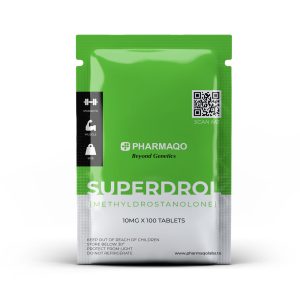
Those are for bodybuilders and freaks. Fake natties don’t want mass; they want plausible
deniability.
They avoid:
● Water retention
● Puffy faces
● Traps and delts that scream “I’m enhanced”
● Rapid weight changes
● Obvious size vs strength mismatch
● Gynecomastia
● Acne
● Deep voice changes
Lifestyle habits that help sell the natty lie
They don’t just use gear smarter; they present it smarter.
● Stay lean year-round
● Use camera angles and lighting
● Post pumps, not relaxed photos
● Use subtle filters, tan, and dry out for shoots
● Show “bad days” to look relatable
● Avoid crazy PR lifts that expose their real strength
● Talk openly about recovery, mobility, sleep, supplements
● Push natty-friendly supplements hard
They make being shredded look effortless. And that’s what sells it.
So why do people run fake-natty protocols?
Because they want:
● Followers
● Brand deals
● “Relatable” physiques
● Online coaching credibility
● Sponsorships
● Clean public image
● Money without backlash
In the fitness world, looking great while “claiming natty” is a cheat code for monetizing your
image. And low-level enhancement lets them pull it off without blowing their cover.
They get 80% of the results of a heavy cycle with 20% of the risk and 0% of the backlash.
FAQ
Is being a fake natty dangerous?
The protocols themselves aren’t the problem; they’re usually mild. The issue is lying about it
and misleading people who trust you. That’s the ethical problem.
Do all fake natties use the same stack?
No. But most rely on the same types of compounds: dry, clean, non-bulky, and sustainable
year-round.
Can you maintain the look off-cycle?
No, not really. Once you drop the enhancement, you’ll flatten out. That’s why most fake
natties never really come off; they cruise or run very mild cycles year-round.
Why not just be honest about PEDs?
Because honesty doesn’t get you supplement deals, brand partnerships, or a clean image in
the public eye. The fake natty model is more marketable.
Is this sustainable long-term?
If you’re smart about it, yes. Low-dose tests, mild DHTs, careful GH use, and clean health
markers can be sustained for years. But bloodwork still matters.
Bottom line
The fake natty look isn’t about blowing up. It’s about looking just good enough to make
people are jealous but not suspicious.
● Full, lean, dry
● No acne, no gyno
● No 40-lb offseason bloat
● No contest prep shredded
● Just clean, year-round aesthetics
To pull that off, you don’t need to blast heavy compounds. You need to understand your
body, control your hormones, and use the right tools the right way.
Most people will never know. That’s the whole point.
